
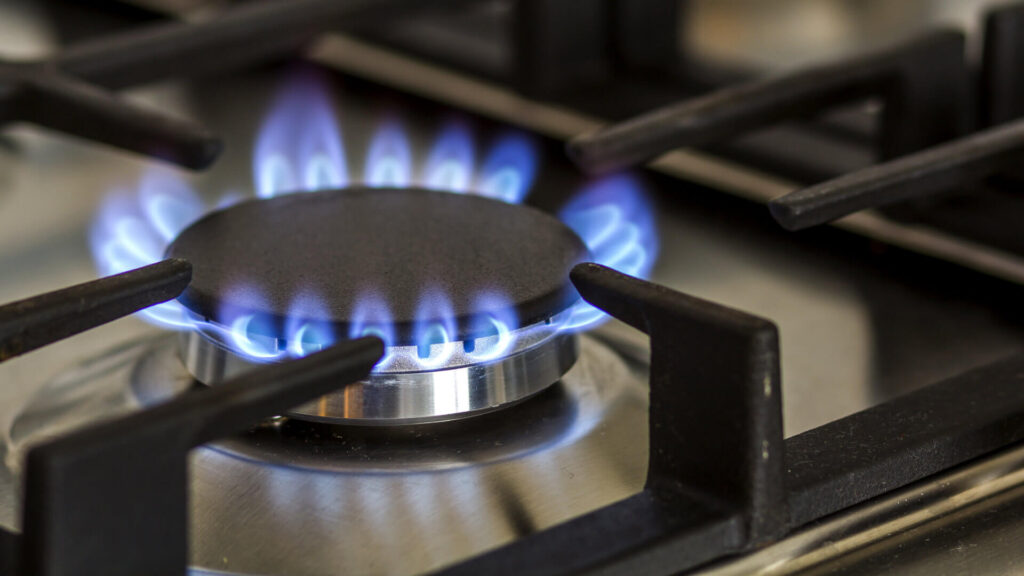
In the world of cooking, the gas range is a beloved kitchen companion. It’s the tool that transforms a simple meal into a culinary masterpiece. However, as much as we love our gas ranges for their quick heating and precision, they also come with a set of safety concerns that should not be ignored. Gas leaks and fire hazards are real dangers that can turn your cooking haven into a disaster zone. In this comprehensive guide, we will delve into the world of gas range safety, exploring the causes of gas leaks, the risks they pose, and the steps you can take to ensure your kitchen remains a safe place to whip up your favorite dishes.
The Burning Question: What Causes Gas Leaks?
Old and Faulty Gas Lines
Gas lines are the unsung heroes behind the scenes, responsible for delivering the fuel that makes your gas range cook up a storm. However, like all things, they don’t last forever. Over time, gas lines can deteriorate due to wear and tear, corrosion, or other factors. If you’re living in an older home, it’s possible that the gas lines have aged along with it, and they might be showing signs of fatigue.
The question you might be asking yourself now is, “How do I know if my gas lines are old and faulty?” Well, here’s where a professional inspection can be invaluable. A certified technician can assess the condition of your gas lines and determine whether they need replacement or repair. They can identify issues such as cracks, rust, or other damage that could lead to gas leaks.
Additionally, if you notice a sudden spike in your gas bill without a corresponding increase in usage, it could be a sign of a gas leak, as gas might be escaping from your lines unnoticed.
Loose Connections
Imagine your gas lines and connectors as a complex puzzle, where each piece must fit snugly together to work correctly. If any part of this puzzle is loose, the result could be catastrophic. Loose connections between your gas lines, connectors, and appliances can create an avenue for gas to escape into your home.
These loose connections can happen for various reasons. It could be due to improper installation, wear and tear, or simply from moving your appliances around. When connectors are not properly tightened or have become worn over time, gas can seep through the gaps.
One way to prevent this issue is to ensure that your gas range is installed by a qualified technician who will make certain all connections are secure. Regularly checking and tightening these connections can also help reduce the risk of gas leaks.
Poorly-Maintained Appliances
Just like any other machinery, gas ranges require maintenance to function safely and efficiently. If you neglect your gas range, it can turn into a ticking time bomb. There are several ways in which poorly-maintained appliances can lead to gas leaks and fire hazards:
- Grease Buildup: Cooking often involves the release of grease and food particles that can accumulate around burners and within the range. Over time, this accumulation can become a fire hazard, as it can ignite when exposed to open flames.
- Clogged Burners: Burners that are clogged with debris can create uneven flames or even block the flow of gas, leading to gas leaks.
- Worn-out Parts: The components within your gas range, including valves and regulators, can wear out with time and use. When these parts become compromised, they can allow gas to escape.
The best way to prevent these issues is through regular maintenance. Make a habit of cleaning your gas range after each use, paying special attention to the burners and surrounding areas. If you notice any faulty components, have them repaired or replaced promptly by a professional.
The Firestarter: How Do Gas Leaks Lead to Fire Hazards?
Now that we’ve explored the causes of gas leaks, let’s delve into the critical question of how these leaks can transform into potentially life-threatening fire hazards.
Ignition Sources
Gas is sneaky. It’s odorless and invisible, making it impossible to detect with our senses. This is why gas companies add a distinct, sulfur-like odor to natural gas to help us identify a leak. But what really transforms a gas leak into a fire hazard are ignition sources.
All it takes is a small spark or heat source to ignite a gas leak. In your kitchen, these ignition sources could be your gas range’s pilot light, a lit match, or even a simple static electricity discharge. If any of these come into contact with a concentrated gas leak, it can result in a devastating explosion or fire.
In essence, gas is like a dormant dragon – it may seem harmless, but with the right spark, it can become a ferocious beast.
Accumulation
One of the most alarming aspects of gas leaks is that the gas itself has a tendency to accumulate in confined spaces. Unlike a liquid, gas can spread out to fill the space it’s in, and it’s heavier than air, which means it can settle in low-lying areas.
This accumulation creates a concentrated cloud of flammable gas, which can be extremely hazardous. This cloud is just waiting for an ignition source to set it off, like a cat ready to pounce on a mouse. The longer the gas leak goes unnoticed, the more gas can accumulate, increasing the risk of a more significant and destructive fire.
Rapid Spread
Once ignited, gas flames are not to be trifled with. They spread rapidly and with an intense fury. In a matter of seconds, your whole kitchen can turn into an inferno. It’s not just the initial source of the leak that’s at risk; the fire can rapidly consume everything in its path, including your home and your safety.
Now that we’ve outlined the potentially catastrophic consequences of gas leaks turning into fire hazards, let’s dive into the practical steps you can take to ensure gas range safety in your kitchen.
The ABCs of Gas Range Safety
Regular Inspections
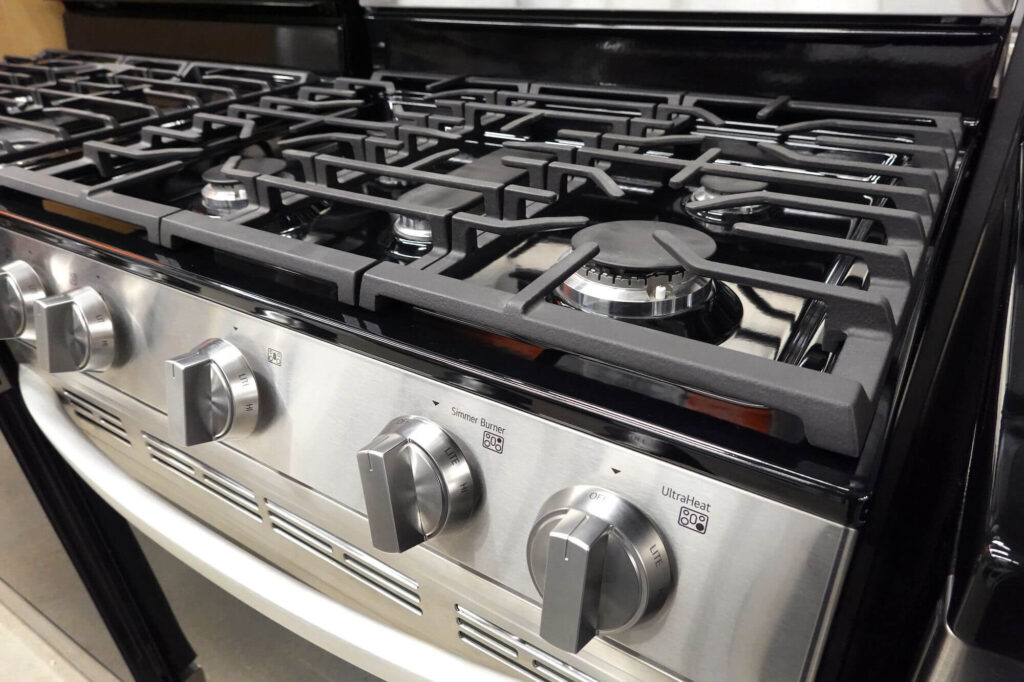
One of the key elements of gas range safety is regular inspections. Think of it as giving your car a checkup to ensure it’s running smoothly. Similarly, your gas lines and appliances require periodic examinations to ensure they are in good working condition:
- How often should you inspect? Experts recommend an annual inspection by a licensed technician. This professional can assess the condition of your gas lines, connectors, and appliances, and identify any potential issues.
- DIY inspection: While professional inspections are crucial, you can also perform regular DIY inspections. Look for signs of wear and tear, such as cracks or rust on your gas lines. Check the connections for tightness and any signs of leakage. If something seems off, don’t hesitate – fix it up or call a professional.
Keep It Clean
Maintaining a clean cooking environment is not just about aesthetics; it’s a matter of safety. Grease buildup and food debris can be dangerous when it comes to gas ranges. Here are some steps to keep things spic and span:
- Clean burners and grates: Burners can accumulate grease and debris, which can ignite when exposed to open flames. Regularly remove the burners and clean them thoroughly. This simple practice can go a long way in preventing fire hazards.
- Range hood: If you have a range hood, use it. It helps remove cooking odors and expels any potential gas leaks, ensuring that the gas doesn’t accumulate in your kitchen.
- Ventilation: If you don’t have a range hood, open your windows to ensure proper ventilation during cooking. Good ventilation is like opening the windows in a stuffy room – it lets fresh air in and bad odors out.
Test for Gas Leaks
Testing for gas leaks is a proactive measure that can save lives. Instead of relying solely on your senses to detect a gas leak, consider using a gas leak detector. These devices are like your kitchen’s guardian angels, constantly monitoring the air for any signs of a gas leak:
- How often should you test? It’s recommended to test for gas leaks every six months. These detectors can sniff out even the tiniest gas leaks and alert you before disaster strikes.
- Where to place detectors: Install detectors in areas where gas appliances are present, such as the kitchen. Also, consider placing them near your gas lines and connectors for early detection.
Install a Gas Shut-Off Valve
A gas shut-off valve is your emergency brake for gas leaks. If you smell gas or suspect a leak, you can quickly turn off the gas supply at the valve. It’s a simple yet effective safety measure that can make a significant difference in preventing a gas leak from escalating into a fire hazard:
- Where to install the valve: Gas shut-off valves should be located near your gas meter or in an easily accessible location. Make sure everyone in your household knows how to use it in case of an emergency.
No DIY Repairs
In the age of DIY projects and YouTube tutorials, it’s tempting to tackle household issues yourself. However, some things are best left to the professionals, and dealing with a gas leak is certainly one of them. If you discover a gas leak or suspect one, do not attempt to repair it yourself. Call a licensed professional to handle the job. Your safety and the safety of your home should be top priorities.
Recognizing the Signs of a Gas Leak
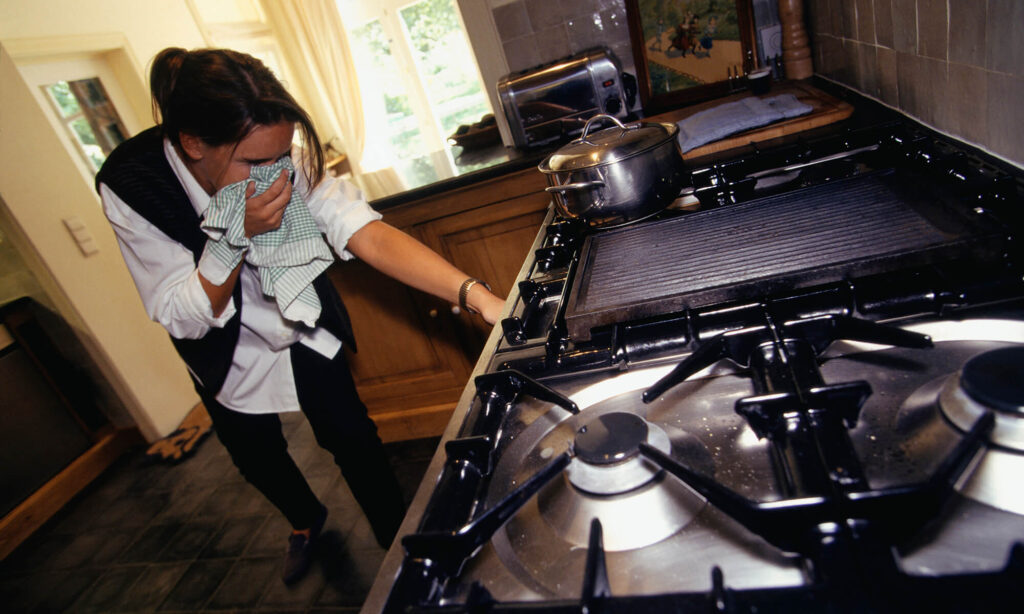
While taking proactive measures to prevent gas leaks is essential, it’s equally important to recognize the signs of a gas leak in case one occurs. Gas is typically odorless and colorless, but gas companies add a distinct, sulfur-like odor called mercaptan to make it easily detectable. If you smell something like rotten eggs, it’s a strong indicator of a gas leak. Other signs include:
- Hissing Sounds: If you hear a hissing or whistling sound near your gas lines or appliances, it’s a clear indication of a leak.
- Dead Houseplants: Gas leaks can affect the oxygen levels in your home, causing houseplants to wither and die. If your green friends are looking droopy, it’s a red flag.
- Health Symptoms: Gas exposure can lead to dizziness, nausea, and headaches. If you or your family members experience these symptoms, head outside and call for help.
Gas Range Safety Checklist
To make sure you have all the essential safety measures in place, here’s a comprehensive gas range safety checklist to keep your kitchen safe:
Gas Range Safety Checklist:
| Task | Frequency |
| Inspect gas lines | Annually |
| Check for loose connections | Every 3-6 months |
| Clean burners and grates | Monthly |
| Ensure proper ventilation | During cooking |
| Test for gas leaks | Every 6 months |
| Install a gas shut-off valve | Recommended |
Remember, your gas range is your kitchen’s workhorse, but it should be treated with respect and care to ensure safety. A safe kitchen is a happy kitchen where you can enjoy your culinary adventures without the fear of fire hazards.
In conclusion, gas range safety is all about being proactive and informed. Gas leaks and fire hazards can be avoided with regular inspections, proper maintenance, and knowing the signs of a gas leak. Don’t take any chances – stay safe, keep your kitchen in top shape, and enjoy your culinary adventures without fear! Cooking should be a joy, and with the right safety measures, it can be just that.
Gas Range Safety FAQ
Gas range safety is a critical concern in every kitchen. To help you better understand how to prevent gas leaks and fire hazards, we’ve compiled a list of frequently asked questions and their answers:
1. What causes gas leaks in a gas range?
Gas leaks in a gas range can occur due to various reasons, including:
- Old and Faulty Gas Lines: Over time, gas lines can develop cracks, wear, or corrosion, leading to gas leaks.
- Loose Connections: Improperly tightened or worn-out connections between gas lines and appliances can allow gas to escape.
- Poorly-Maintained Appliances: Neglected appliances can accumulate grease, have clogged burners, or worn-out parts, all of which can contribute to gas leaks.
2. How can I prevent gas leaks in my gas range?
To prevent gas leaks in your gas range:
- Regular Inspections: Have a licensed technician inspect your gas lines and appliances annually.
- Keep It Clean: Clean burners and surrounding areas regularly to prevent grease buildup and debris accumulation.
- Adequate Ventilation: Ensure proper ventilation by using a range hood or opening windows during cooking.
- Test for Gas Leaks: Use a gas leak detector to check for leaks every six months.
- Install a Gas Shut-Off Valve: Install a gas shut-off valve for quick gas supply termination in case of a leak.
- Avoid DIY Repairs: Never attempt to repair a gas leak yourself; always call a licensed professional.
3. What are the signs of a gas leak?
Signs of a gas leak include:
- Distinct Odor: Natural gas is odorless, but gas companies add an odorant that makes it smell like rotten eggs.
- Hissing Sounds: If you hear hissing or whistling sounds near gas lines or appliances, it’s a sign of a leak.
- Dead Houseplants: Gas leaks can cause plants to wither due to reduced oxygen levels.
- Health Symptoms: Symptoms like dizziness, nausea, and headaches can indicate gas exposure.
4. How often should I test for gas leaks?
It’s recommended to test for gas leaks every six months using a gas leak detector. Regular testing helps ensure early detection and prevents gas leaks from escalating into dangerous situations.
5. Where should I install a gas shut-off valve?
A gas shut-off valve should be installed near your gas meter or in an easily accessible location. Ensure that all members of your household know how to use it in case of an emergency.
6. Is it safe to use a gas range during a power outage?
It’s generally safe to use a gas range during a power outage, as long as you have a manual ignition feature. Most gas ranges allow you to light the burners manually using a match or a lighter. However, use caution and be aware of potential gas leaks, especially if you haven’t used your gas range during an extended period.
7. How can I check for a loose gas line connection?
To check for a loose gas line connection:
- Turn off the gas supply to your appliance.
- Mix a solution of water and dish soap.
- Apply the soapy solution to the gas line connections and connectors.
- Turn on the gas supply.
- If you see bubbles forming at any connection point, it indicates a gas leak, and you should tighten the connection or call a professional.
8. Can a gas leak detector detect carbon monoxide (CO) leaks?
Gas leak detectors are designed to detect natural gas leaks, not carbon monoxide (CO) leaks. For CO detection, you need a separate carbon monoxide detector, which is essential for safety, especially in homes with gas appliances.
9. What should I do if I suspect a gas leak in my home?
If you suspect a gas leak in your home, follow these steps:
- Evacuate: Leave your home immediately, ensuring everyone else is safe.
- Do not use any electrical switches or devices, including light switches and cell phones, as they can create sparks.
- Do not light a match or use any open flames.
- Once safely outside, call your gas company’s emergency number or 911.
- Do not re-enter your home until it has been declared safe by a qualified professional.
10. How can I find a licensed technician for gas range safety inspections and repairs?
To find a licensed technician for gas range safety inspections and repairs, you can:
- Contact your local gas company for recommendations.
- Search online for licensed HVAC (Heating, Ventilation, and Air Conditioning) or gas appliance repair professionals in your area.
- Ask for referrals from friends and family who have had positive experiences with gas range technicians.